
| Volume 27(3); October 2026
Full PDF
|
http://e-hpr.org |
Dear Colleagues,
We are pleased to present the second issue of the year, featuring four review articles (multimodal neuroimaging in RCVS, arterial dissection, and CVT; medication overuse and underuse in headache medicine; migraine in pilots; and trigeminal neuralgia), a guideline for cluster headache, and four original papers, including two articles on pediatric headache and dizziness.
Please find below the link to the table of contents and summaries of the esteemed articles.
Please enjoy, share and cite them.
Thank you for your support and assistance.
Office of Headache and Pain Research
Soo-Jin Cho, Editor-in-Chief; Soo-Kyoung Kim, Deputy Editor
| Editorial | ||
|
Pediatric Migraine in Korea: New Opportunities in the Era of Mechanism-Based Prevention |
||
| Sanghyo Ryu | ||
| DOI: http://doi.org/10.62087/hpr.2026.0026 | ||
| Review Articles | ||
|
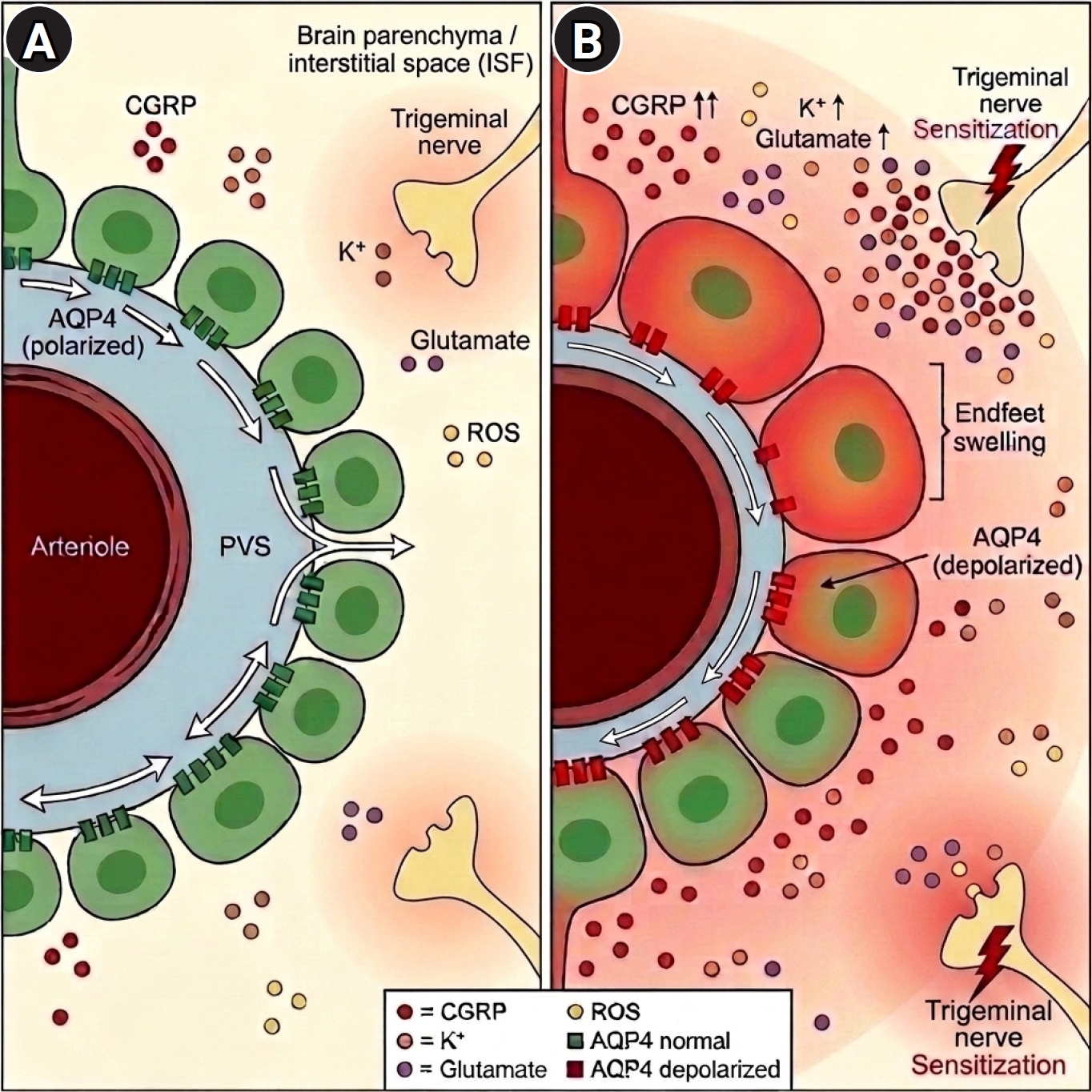
Glymphatic System Dysfunction in Migraine: From Cortical Spreading Depression to Migraine Chronification |
||
| Jeongwook Park | ||
| DOI: http://doi.org/10.62087/hpr.2026.0033 | ||
|
||
|
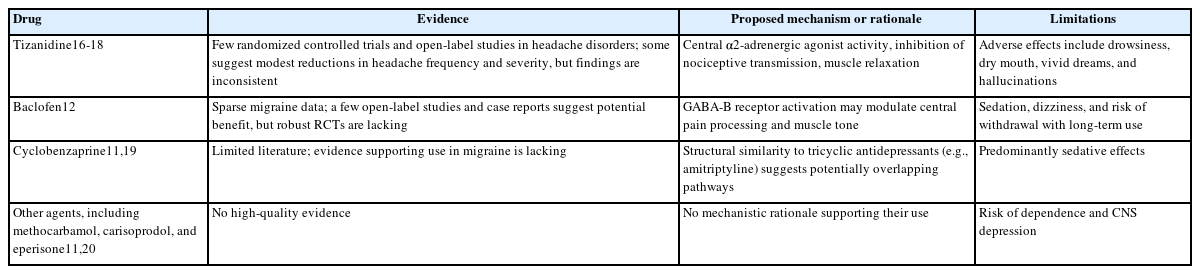
Is There a Role for Muscle Relaxants in Migraine Management? A Narrative Review |
||
| Heba Banihani, Marta Waliszewska-Prosół, Christopher Robinson, Abdulrazaq S. Albilali, Jeannine Abrons, Kinga Gecse, Merve Kozak, Mario M. F. Peres, Sait Ashina | ||
| DOI: http://doi.org/10.62087/hpr.2026.0025 | ||
|
||
|
Pediatric Headache: Children and Adolescents Gepants for the Treatment of Migraine in Children and Adolescents: Acute and Preventive Roles, Current Evidence, and Ongoing Trials |
||
| Ji-Hoon Na | ||
| DOI: http://doi.org/10.62087/hpr.2026.0034 | ||
|
||
| Original Articles | ||
|
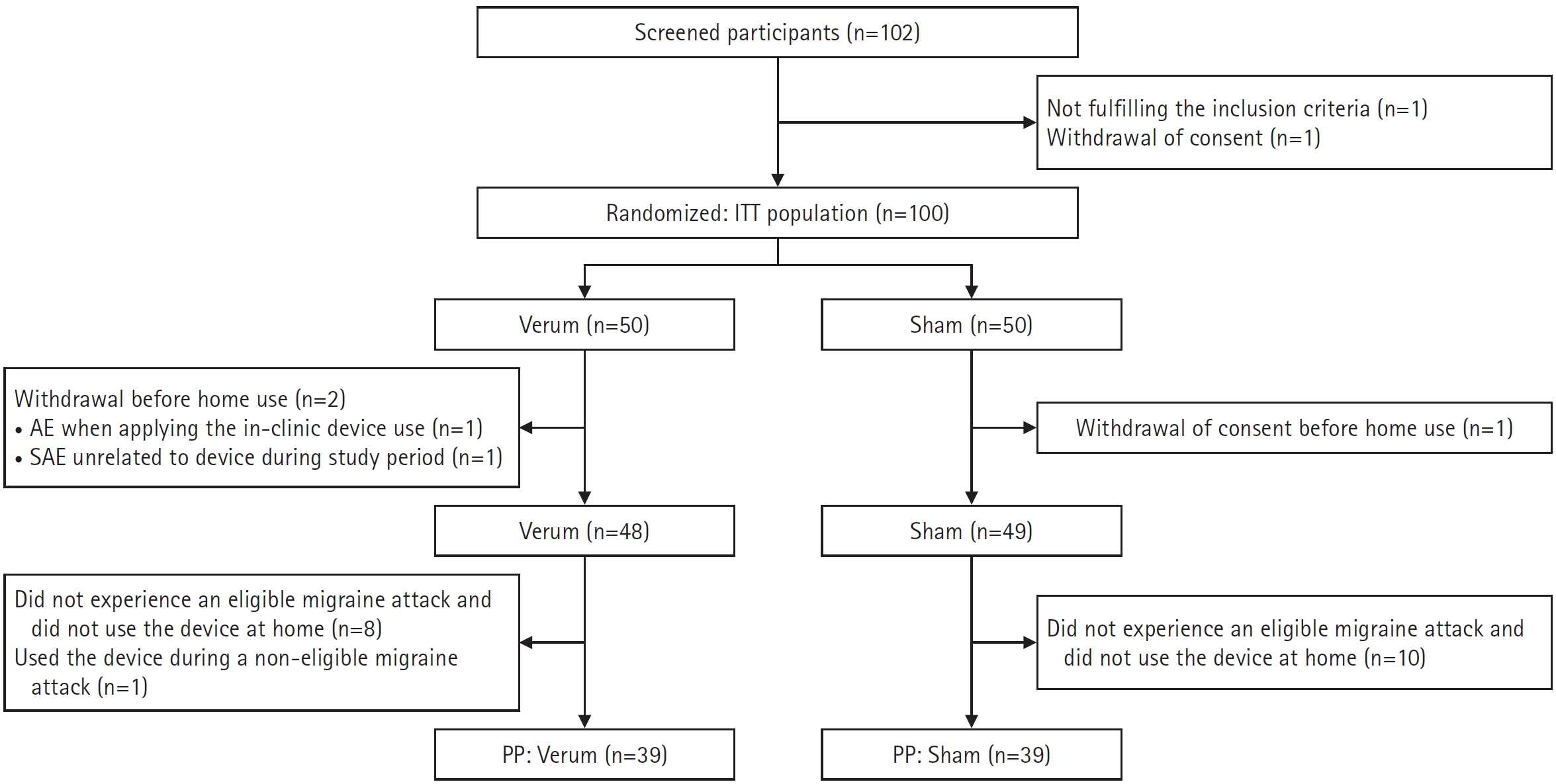
Feasibility and Safety of Elexir, an External Trigeminal Nerve Electrical Stimulator for the Acute Treatment of Migraine |
||
| Soo-Im Jang, Soohyun Cho, Mi Ji Lee | ||
| DOI: http://doi.org/10.62087/hpr.2026.0041 | ||
|
||
|
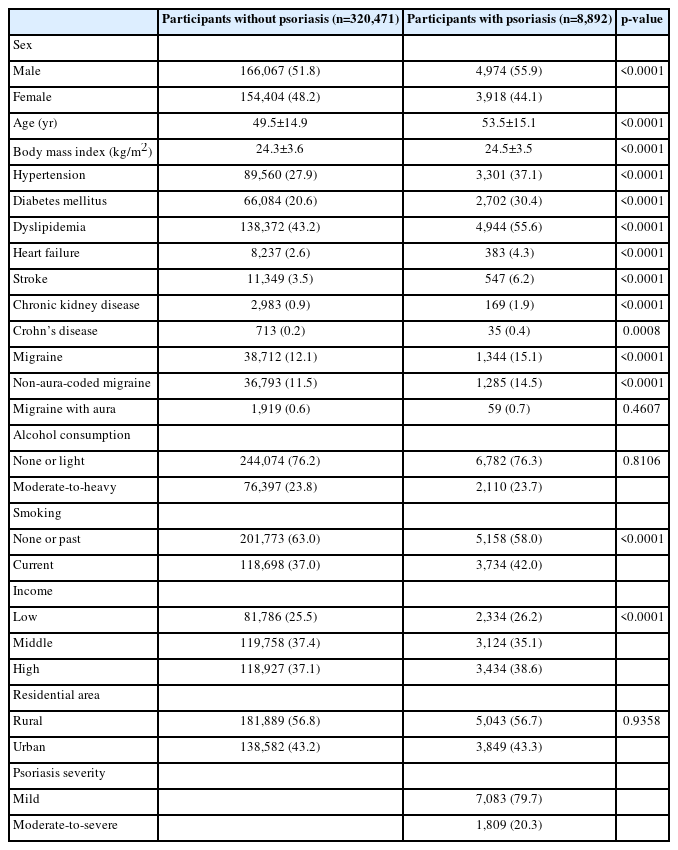
Association between Psoriasis and Migraine in a Nationwide Cross-Sectional Study in Korea |
||
| Woo-Seok Ha, Soohyun Cho | ||
| DOI: http://doi.org/10.62087/hpr.2026.0031 | ||
|
||
|
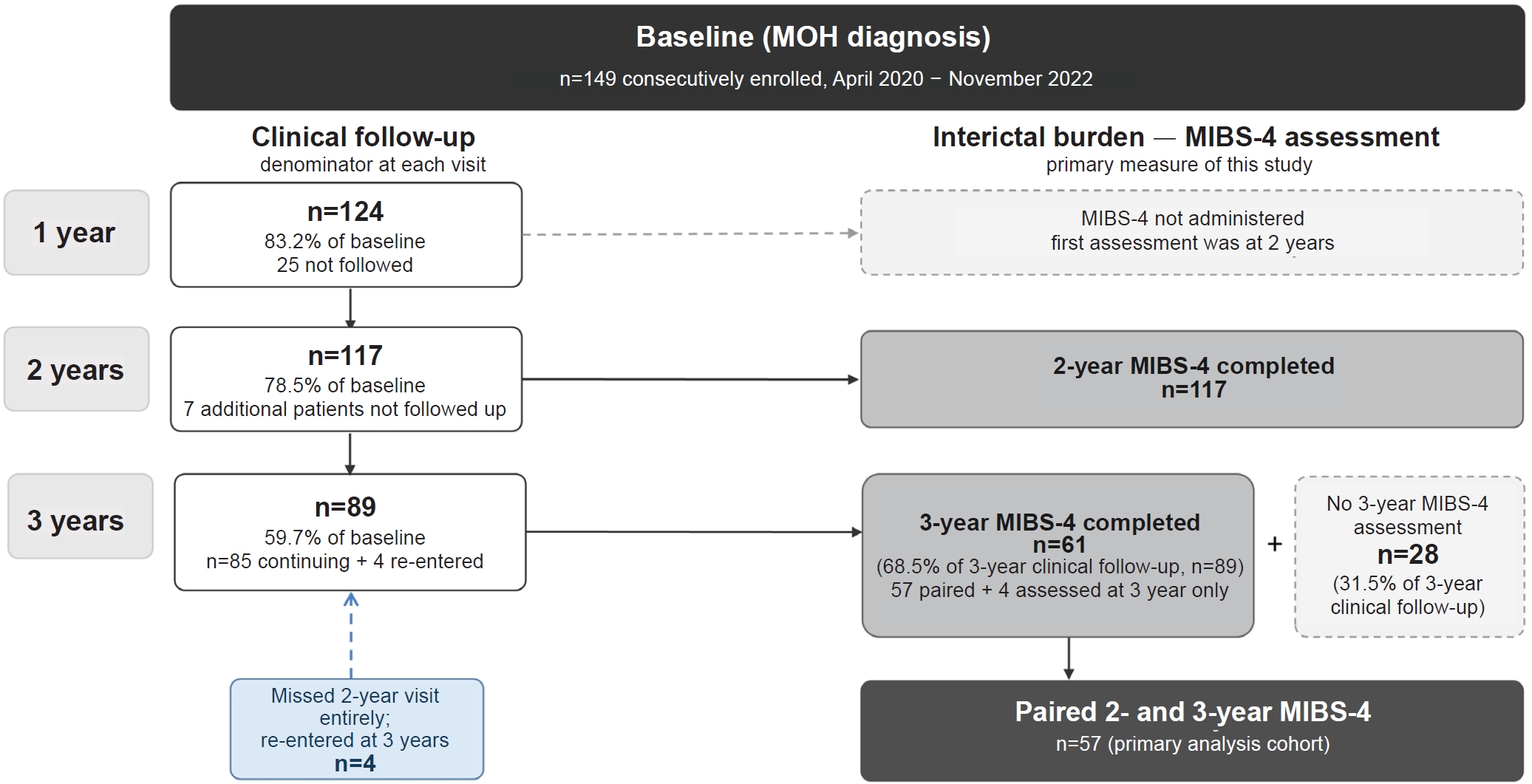
Dynamic Changes in Interictal Burden During 3-Year Follow-Up for Medication Overuse Headache |
||
| Yooha Hong, Mi-Kyoung Kang, Soo-Jin Cho | ||
| DOI: http://doi.org/10.62087/hpr.2026.0039 | ||
|
||
|
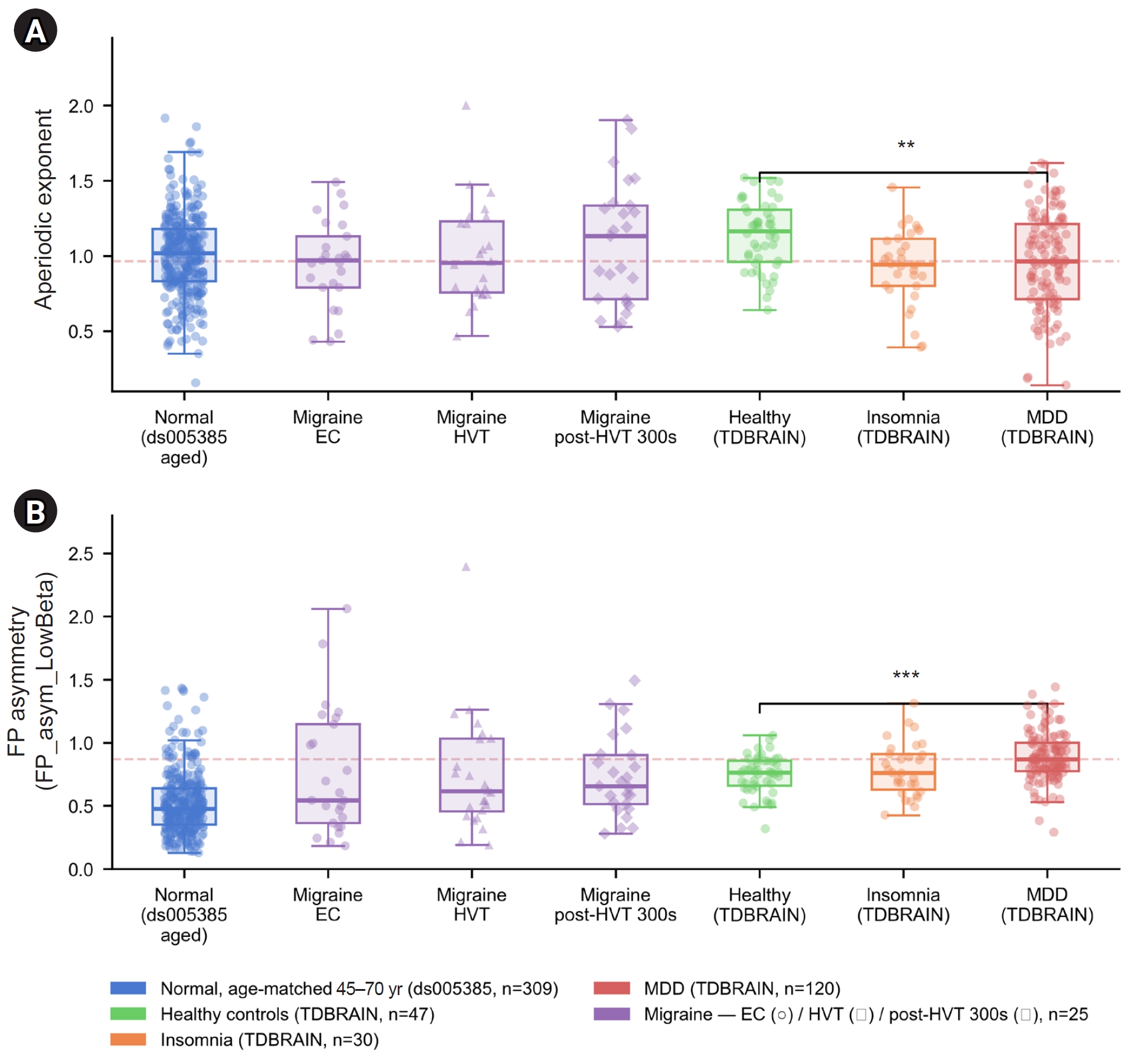
Preliminary Quantitative Electroencephalographic Evidence of Depression-Aligned Neurophysiological Patterns in Interictal Migraine: A Multi-Dataset Study |
||
| Dokyung Lee | ||
| DOI: http://doi.org/10.62087/hpr.2026.0022 | ||
|
||
|
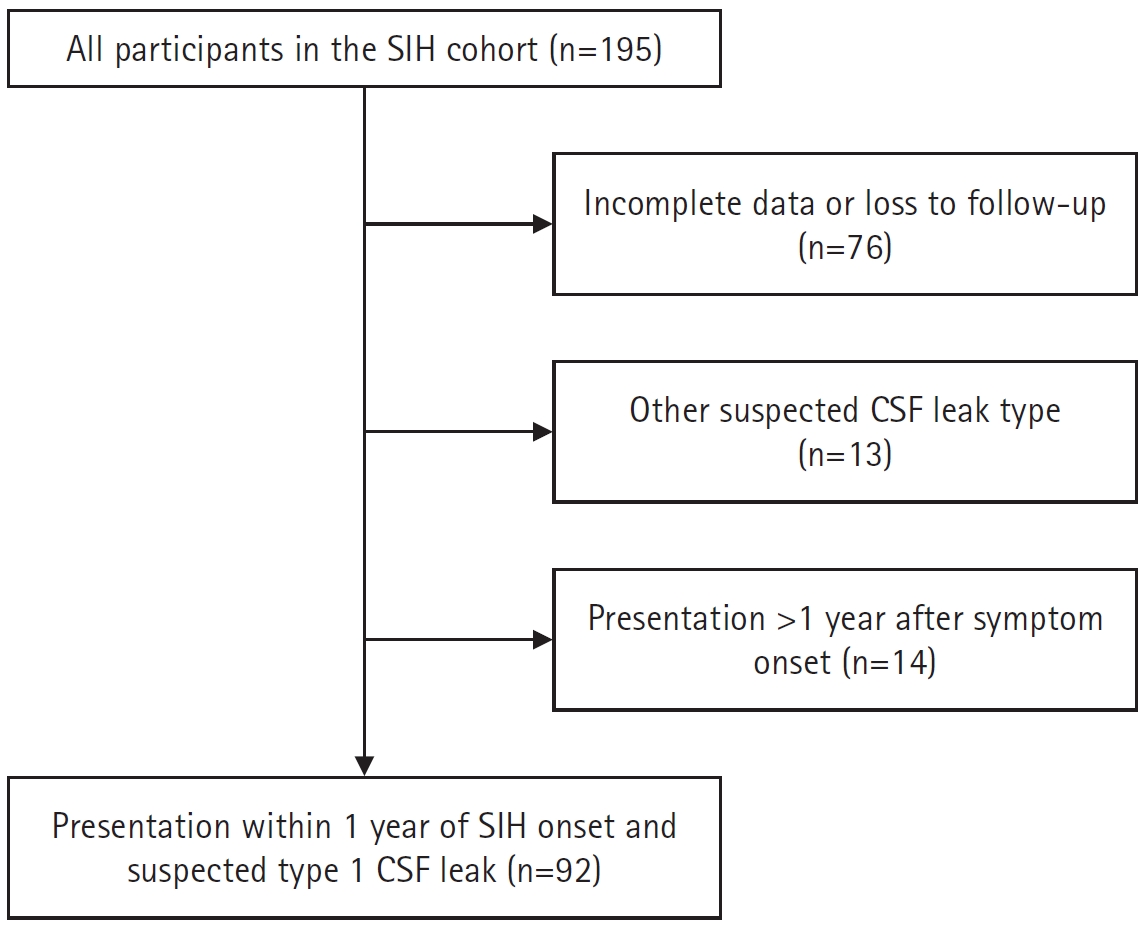
Early Development of Spinal Cord Herniation in Spontaneous Intracranial Hypotension |
||
| Seung Ae Kim, Soyoun Choi, Kyunghoon Yang, Hye Jin Yoo, Ja-Young Choi, Mi Ji Lee | ||
| DOI: http://doi.org/10.62087/hpr.2026.0043 | ||
|
||
| Case Reports | ||
|
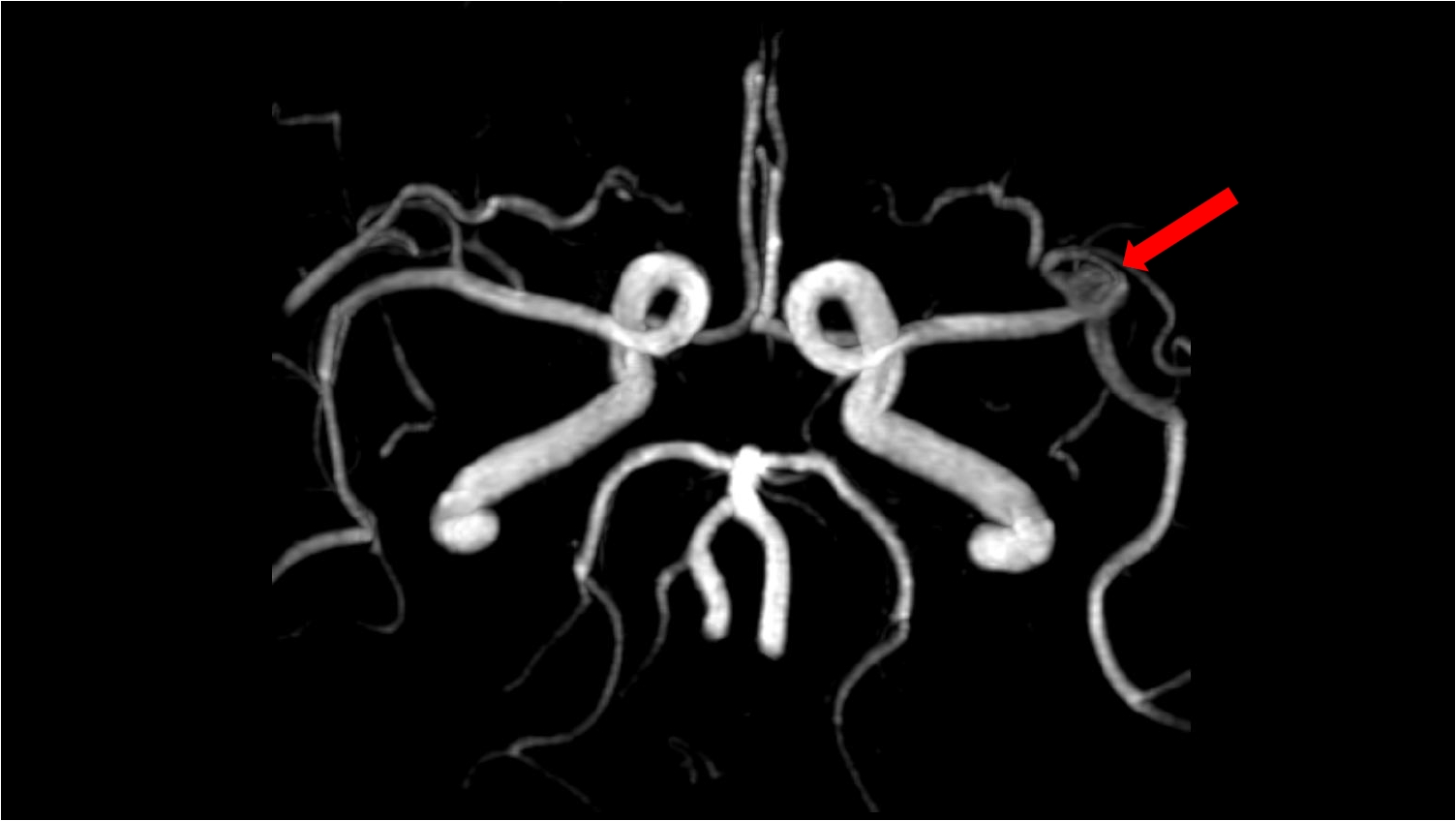
Spontaneous Intracranial Hypotension Masquerading as Headache from an Unruptured Middle Cerebral Artery Aneurysm |
||
| Myoung-Jin Cha, Jiyoung Kim | ||
| DOI: http://doi.org/10.62087/hpr.2026.0040 | ||
|
||
|
Pediatric Headache: Children and Adolescents Early Infantile Onset of Presumed Recurrent Painful Ophthalmoplegic Neuropathy |
||
| Kristen M. Yang, Robert H. Fryer | ||
| DOI: http://doi.org/10.62087/hpr.2026.0032 | ||
|
||
| Letters to the Editor | ||
|
Comment on “Subjective Cognitive Decline Patterns in Patients with Migraine, with or without Depression, versus Non-depressed Older Adults” |
||
| Jong-Hee Sohn | ||
| DOI: http://doi.org/10.62087/hpr.2026.0023 | ||
|
Response to Comments on “Subjective Cognitive Decline Patterns in Patients with Migraine, with or without Depression, versus Non-Depressed Older Adults |
||
| Sun Hwa Lee, Soo-Jin Cho | ||
| DOI: http://doi.org/10.62087/hpr.2026.0027 | ||
| Correction | ||
|
Correction to “Alcohol-Induced Headache: A Narrative Review Based on Migraine Pathophysiology” |
||
| Woo-Seok Ha | ||
| DOI: http://doi.org/10.62087/hpr.2025.0027.e1 | ||
 Full text
 PubReader
 ePub
 PDF
 Supplementary Material

Headache and Pain Research (Headache Pain Res; pISSN: 3022-9057, eISSN: 3022-4764) publishes original articles, review articles, case report, letter to the editor, editorial, and perspective on all aspects of Headache and Pain Research. The main topics include migraine, cluster headache, tension-type headache, intracranial hypotension, intracranial hypertension, reversible cerebral vasoconstriction syndrome, other primary or secondary headache disorders, and issues related headache and pain such as dizziness, psychological, and cognitive problems. Headache and Pain Research is the official journal of Korean Headache Society, and aims to grow into an international journal and welcomes outstanding editorial board members and submissions from all over the world.
It is an Open Access journal, which permits unrestricted non-commercial use, distribution, and reproduction in any medium, provided the original work is properly cited. There is no article processing charge. Headache and Pain Research is published 3 times (the last day of February, June, and October) a year.
|
||